Language often reveals how people express love, warmth, and connection. In the Arabic language, affectionate expressions play a huge role in daily communication. One word stands out among these Arabic love words: habibti.
You hear it in music, films, conversations, and social media captions. Yet many people still wonder: what does habibti mean, and how should you use it correctly?
This guide explains the habibti meaning, its linguistic origins, cultural context, and real-life usage. Along the way, you’ll discover alternatives, examples, and key etiquette rules. By the end, you’ll clearly understand habibti meaning in English, the habibi vs habibti difference, and how this small word carries big emotion.
What Does Habibti Mean?
At its core, habibti is an Arabic term of endearment. People use it to express affection toward a woman.
Habibti Meaning in English
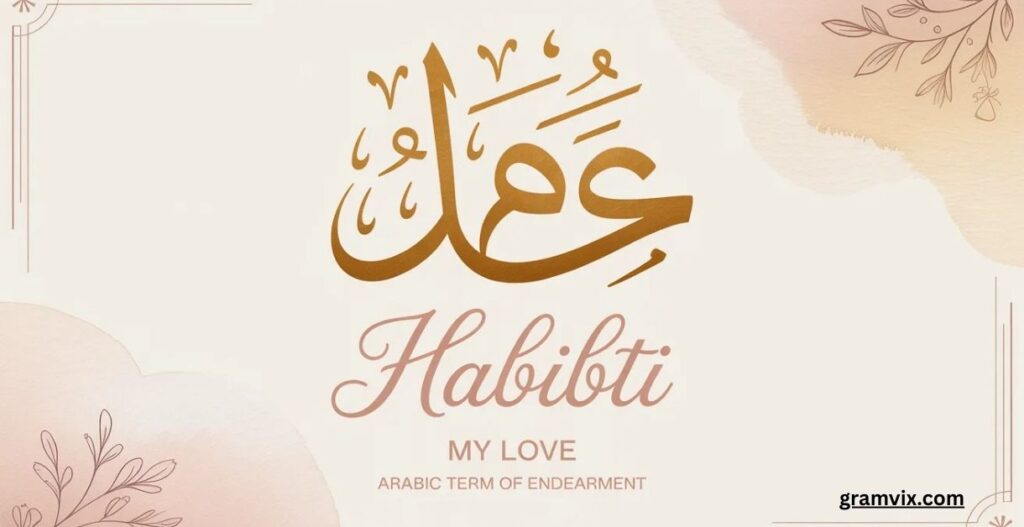
The habibti meaning in English typically translates to:
- My beloved
- My dear
- Darling
- Sweetheart
- My love
However, the meaning of habibti goes deeper than simple translation. Arabic affection terms often carry emotional warmth that English words cannot fully capture.
Habibti Translation Explained
| Arabic Word | Habibti Translation | Typical Context |
|---|---|---|
| Habibti | My beloved / My dear | Speaking to a woman |
| Habibi | My beloved / My dear | Speaking to a man |
| Habibi / Habibti (casual) | My friend / dear | Friendly conversation |
So if someone asks what does habibti mean in Arabic, the most accurate answer is:
Habibti means “my beloved” when speaking to a woman.
It belongs to a large family of Arabic affectionate words used across the Middle East and North Africa.
Habibti Arabic Meaning and Linguistic Origins
To understand the true habibti Arabic meaning, you need to look at the structure of the Arabic language itself.
Arabic relies heavily on root systems. Most words derive from three consonants that carry a core meaning.
The Root Behind Habibti
The word comes from the root:
ḥ-b-b (حب)
This root represents love, affection, and liking.
Words Derived From the Same Root
| Arabic Word | Meaning |
|---|---|
| Hubb | Love |
| Habib | Beloved |
| Mahboub | Loved one |
| Tahabbub | Showing affection |
Because of this root system, habibti definition literally means:
“my female beloved.”
This linguistic root explains why the word appears in so many Arabic romantic phrases and romantic Arabic words.
Grammar Structure of Habibti
The word contains two components.
| Part | Meaning |
|---|---|
| Habib | Beloved |
| -ti | Feminine “my” suffix |
So the habibti translation becomes:
Habib + ti = My beloved (female)
This grammatical pattern reflects how gendered Arabic words work throughout Arabic vocabulary.
Habibi vs Habibti Difference
One of the most common questions people ask is about the difference between habibi and habibti.
Arabic grammar marks gender in many words, especially relationship terms and Arabic language affection terms.
Habibi vs Habibti
| Word | Gender | Meaning |
|---|---|---|
| Habibi | Masculine | My beloved (male) |
| Habibti | Feminine | My beloved (female) |
Simple Rule
- Use habibi when speaking to a man.
- Use habibti when speaking to a woman.
This simple rule explains the habibi vs habibti difference.
Quick Example
- Shukran, habibi → Thank you, my dear (to a man)
- Shukran, habibti → Thank you, my dear (to a woman)
Understanding this difference between habibi and habibti helps you avoid awkward mistakes.
Habibti Meaning in English Slang
Outside Arabic-speaking regions, the word has taken on new meanings.
On social media and messaging apps, habibti meaning in English slang can include:
- bestie
- darling
- girl
- babe
- queen
Young people often use the word casually among friends.
Social Media Example
Instagram caption:
“Miss you so much, habibti.”
Here the word simply means close friend or dear person.
Globalization and internet culture helped spread Arabic cultural expressions like this across the world.
Habibti Usage in Arabic: How Native Speakers Use It
The habibti usage in Arabic extends far beyond romance. In fact, people use it daily in many situations.
Romantic Relationships
Couples frequently use habibti in private conversations.
Example:
- Ana uhibbuki, habibti
I love you, my beloved.
In this context the word becomes part of romantic communication.
Family Relationships
Parents often use Arabic affectionate terms for women when speaking to daughters.
Example:
- Ta’ali ya habibti
Come here, my dear.
Friendship
Close female friends also use habibti casually.
Example:
- Keef halek, habibti?
How are you, dear?
This demonstrates how Arabic endearments appear in daily Arabic greetings.
Common Situations When to Use Habibti
Knowing when to use habibti helps you communicate respectfully in Arabic culture.
Romantic Situations
You can use the word when talking to:
- a girlfriend
- a wife
- a romantic partner
It’s one of the most popular romantic Arabic words used in relationships.
Friendly Situations
Among friends, habibti can mean something similar to:
- best friend
- dear friend
- sweet girl
Family Settings
Family members often use affectionate nicknames like habibti.
Example situations:
- mothers speaking to daughters
- grandmothers greeting granddaughters
- siblings joking affectionately
This reflects the warmth typical in Middle Eastern culture.
Example Sentences Using Habibti
Here are some common phrases showing how to use habibti correctly.
| Arabic Phrase | English Meaning |
|---|---|
| Sabah al-khair, habibti | Good morning, my dear |
| Keef halek, habibti? | How are you, dear? |
| Shukran, habibti | Thank you, my beloved |
| La tazali, habibti | Don’t worry, my dear |
These examples show the natural role of Arabic affectionate words in everyday conversation.
Cultural Nuances in Arabic Culture
Language always reflects culture. That’s especially true for Arabic cultural expressions.
Warm Communication Style
In many Arabic societies, communication tends to be expressive and affectionate.
People often use Arabic love words even with friends or relatives.
Hospitality and Respect
Calling someone habibti can signal warmth and hospitality.
However, context matters.
Cultural Etiquette
Understanding cultural etiquette prevents misunderstandings.
Use the word only when:
- you know the person well
- the situation feels informal
- the tone is friendly
Avoid using it in strictly professional settings.
Regional Differences in Arabic Dialects
The Arabic language includes dozens of dialects. Pronunciation changes depending on the region.
Levant Dialects
Countries like:
- Lebanon
- Syria
- Jordan
- Palestine
Here the word often sounds like:
Habibti
Gulf Dialects
Countries such as:
- UAE
- Saudi Arabia
- Qatar
The pronunciation may soften slightly but remains recognizable.
North African Dialects
In places like Morocco and Algeria, dialect differences sometimes produce variations such as:
- habibti
- habibiti
- habiti
These variations explain spellings like habibiti or habiti online.
Common Mistakes Non-Arabic Speakers Make
People learning Arabic vocabulary often misunderstand the meaning of habibti.
Using the Wrong Gender
This is the most common mistake.
Example error:
- calling a man habibti
Correct form:
- habibi
Assuming It Is Always Romantic
Many assume habibti only appears in romantic situations. In reality, it’s widely used among friends and family.
Overusing the Word
Using it with strangers may feel awkward or disrespectful depending on the situation.
Understanding Arabic culture helps avoid these mistakes.
Alternatives to Habibti
Although habibti is popular, Arabic offers many other romantic expressions.
Romantic Alternatives
These Arabic romantic phrases express deep affection.
| Word | Meaning |
|---|---|
| Hayati | My life |
| Roohi | My soul |
| Albi | My heart |
| Noor el-ain | Light of my eyes |
Many couples use these romantic Arabic words in everyday conversation.
Friendly Alternatives
For casual situations, people may use:
- Azizti — my dear
- Sadiqati — my friend
These belong to common Arabic language affection terms.
Respectful Alternatives
More formal situations require neutral expressions.
Examples include:
- Ukhti — my sister
- Sayyida — madam
These maintain politeness while avoiding overly personal language.
Arabic Words for Darling and Love
Many learners ask how to say my love in Arabic.
Here are some common Arabic words for darling.
| Arabic Word | Meaning |
|---|---|
| Habibti | My beloved (female) |
| Habibi | My beloved (male) |
| Hayati | My life |
| Albi | My heart |
| Roohi | My soul |
These are among the most common Arabic endearments used across the Middle East.
Habibti Means in English vs Urdu
Because Arabic influences many languages, the word also appears in South Asia.
Habibti Means in English
My beloved / my dear
Habibti Means in Urdu
In Urdu conversations, the closest meaning becomes:
“meri jaan” or “meri pyari.”
Both phrases carry a similar sense of affection.
Habibti in Pop Culture and Music
Global music has played a huge role in spreading the habibti meaning the term its usage and alternatives 2026 translation worldwide.
Arabic pop songs frequently include the word.
Artists often repeat habibti in lyrics because it conveys romance and emotional intimacy.
Example lyric themes include:
- longing for a lover
- expressing devotion
- celebrating relationships
As a result, many international listeners learn habibti meaning in English slang through music.
Why the Word Habibti Became Globally Popular
Several factors pushed the word into global vocabulary.
Social Media
Platforms like Instagram and TikTok accelerated the spread of Arabic greetings and Arabic affectionate words.
Global Travel
Tourism and cultural exchange introduced people to Middle Eastern culture.
Diaspora Communities
Millions of Arabic speakers live outside the Middle East. Their language and expressions travel with them.
These factors turned habibti into a recognizable global expression.
Case Study: How Language Learners Use Habibti
Language learning communities often share experiences using Arabic vocabulary.
Case Study Example
A group of university students studying Arabic reported that habibti was among the first words they learned.
Why?
- It appears frequently in music
- It shows up in everyday conversation
- It’s emotionally expressive
One student explained:
“Learning words like habibti helped me understand Arabic culture, not just grammar.”
This demonstrates how romantic communication and affectionate nicknames reveal cultural values.
Habibti Meaning the Term Its Usage and Alternatives 2026 English
By 2026, the phrase appears frequently in global media.
Search trends show growing interest in:
- What Does Habibti Mean
- Habibti Meaning in English
- Habibti vs Habibi
- When to Use Habibti
- Alternatives to Habibti
People want to understand not only translation but also cultural context.
Language learners increasingly explore Arabic dialects, Arabic greetings, and Arabic romantic phrases to communicate authentically.
Quick Summary of Habibti Meaning
Here’s a simple recap.
| Topic | Explanation |
|---|---|
| Habibti meaning | My beloved (female) |
| Language origin | Arabic |
| Root | ḥ-b-b meaning love |
| Masculine version | Habibi |
| Usage | Romantic, friendly, family |
| Cultural context | Common across Middle Eastern culture |
Understanding these points answers the most common question:
What does habibti mean in Arabic?
Final Thoughts
Language carries emotion. Words travel across borders. Some expressions resonate everywhere.
Habibti is one of those words.
It comes from the linguistic roots (ḥ-b-b) that symbolize love and affection in the Arabic language. Over centuries, the term became one of the most recognizable Arabic affectionate terms for women.
Today you’ll hear it in homes, music, films, and online conversations.
Understanding the habibti meaning, the habibi vs habibti difference, and the cultural context behind it reveals something deeper. It shows how Arabic culture values warmth, connection, and expressive communication.
So the next time someone says habibti, you’ll know exactly what it means.
More importantly, you’ll understand the feeling behind it.