Short messages run the internet now. You open a chat, skim a line, and move on. That’s where abbreviations take over. One of the most misunderstood? JS.
At first glance, it looks harmless. Two letters. No big deal. But once you start noticing it in conversations, comments, and even arguments, you’ll realize something interesting. “JS” carries tone, intention, and sometimes even attitude.
So what does it actually mean? When should you use it? And why does it sometimes feel passive-aggressive?
Let’s break it down in plain English.
Why “JS” Shows Up Everywhere in Modern Texting
Scroll through any chat app. WhatsApp, TikTok comments, Instagram DMs—you’ll see patterns. People shorten everything.
That’s not laziness. It’s efficiency.
Modern texting culture values:
- Speed
- Brevity
- Emotional nuance packed into fewer words
This is where texting abbreviations and internet slang terms thrive.
Think about it:
- “LOL” replaced “that’s funny”
- “BRB” replaced “be right back”
- And now, “JS” replaces a whole sentence of explanation
In today’s chat language trends, people don’t just say things. They hint, soften, and imply.
That’s exactly what “JS” does.
What Does JS Mean in Text? (Clear Definition)
Let’s answer the big question directly:
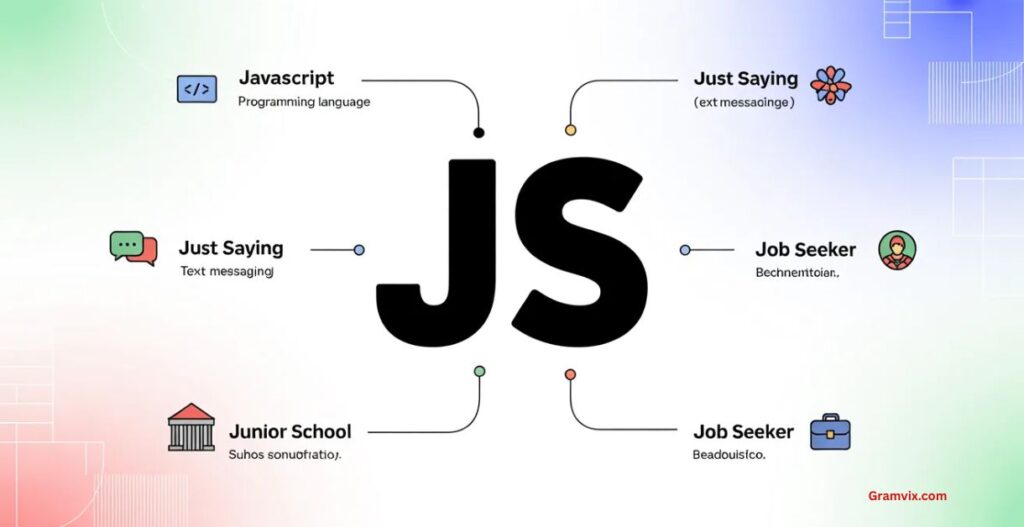
JS meaning in text = “just saying”
That’s the most common and widely accepted definition.
JS Full Form in Chat
- JS = Just Saying
Simple, right? But don’t let that simplicity fool you.
Because the JS abbreviation meaning goes beyond just those two words.
Other Possible Meanings (Rare but Important)
Depending on context, “JS” might also mean:
| Meaning | Context |
|---|---|
| JavaScript | Tech conversations |
| Joke/Sarcasm indicator | Informal chats |
| Initials (person’s name) | Personal conversations |
Still, in modern texting culture, 95% of the time:
👉 JS slang meaning = just saying
What Does JS Mean in Texting vs Chat vs Social Media?
You’ll see slight variations depending on where you are.
JS Meaning in Chat
- Casual conversations
- Group chats
- Friend-to-friend texting
Usually used to soften a statement.
JS Meaning in Social Media
- TikTok comments
- Instagram replies
- Twitter/X threads
Often used to:
- Add opinion without committing fully
- Avoid arguments
What Does JS Mean on TikTok?
On TikTok, “JS” often comes with attitude.
Example:
“That outfit ain’t it JS”
Here, the speaker:
- Shares criticism
- Tries to soften it
- Still sounds blunt
That’s the tricky part.
The Hidden Tone Behind “JS” (What People Really Mean)
Here’s where things get interesting.
On paper, “just saying” sounds neutral. In reality? It rarely is.
When people use “JS,” they often mean:
- “I’m not trying to argue… but I kind of am”
- “I’m stating a fact… don’t react”
- “I want to say this without taking responsibility”
That’s why tone in texting matters so much.
Why “JS” Feels Passive-Aggressive
Let’s break it down:
Message without JS:
“That wasn’t a good idea.”
Message with JS:
“That wasn’t a good idea JS.”
See the difference?
The second one:
- Softens the blow
- Adds distance
- But also feels slightly defensive
This is classic passive-aggressive texting.
How “JS” Changes Meaning in a Sentence
Placement matters. Context matters more.
Here’s a simple breakdown.
| Sentence Type | Without JS | With JS |
|---|---|---|
| Opinion | Direct | Slightly softened |
| Criticism | Clear | Indirect, sometimes passive-aggressive |
| Joke | Obvious humor | Feels defensive or sarcastic |
| Advice | Helpful | Slightly dismissive |
Real Example Breakdown
“You should study more.”
vs
“You should study more JS”
The second version:
- Feels less direct
- But also less sincere
That’s the paradox of digital conversation tone.
When You Should Use “JS” in Text Messages
Used correctly, “JS” works. It can make you sound casual and relaxed.
Best Situations to Use JS
- Light opinions
- Friendly teasing
- Low-stakes conversations
Example:
“That movie was kinda overrated JS”
No harm done. Just a casual opinion.
Why It Works in These Cases
Because:
- The stakes are low
- The tone stays playful
- Nobody feels attacked
This fits well with casual communication phrases.
When NOT to Use “JS” (Avoid These Situations)
Here’s where people mess up.
Avoid Using JS When:
- The topic is serious
- Emotions are involved
- You need clarity
- You’re giving feedback
Example mistake:
“You messed up the project JS”
That doesn’t soften anything. It makes it worse.
Why It Backfires
Because:
- It feels dismissive
- It avoids accountability
- It confuses intent
In message tone interpretation, clarity beats cleverness every time.
Better Alternatives to “JS” Based on Tone
Sometimes you want the effect of “JS” without the confusion.
Here are smarter options.
Casual Alternatives to Just Saying
- “just my opinion”
- “not a big deal but…”
- “I feel like…”
Polite Alternatives
- “I might be wrong, but…”
- “just a thought”
- “from my perspective…”
Professional Alternatives
- “for clarity…”
- “to share a perspective…”
- “I’d suggest…”
Quick Comparison Table
| Tone | Use This Instead of JS |
|---|---|
| Casual | “just my opinion” |
| Polite | “I might be wrong, but…” |
| Professional | “to clarify…” |
These options improve informal vs formal communication.
Real-Life Examples of “JS” in Conversations
Let’s make this practical.
Example 1: Friends Chat
“That place is overpriced JS”
Meaning:
- Mild criticism
- Not serious
Example 2: Relationship Context
“You don’t text first much JS”
Now we’re in tricky territory.
👉 This is where js meaning in relationship becomes important.
It can signal:
- Hidden frustration
- Indirect communication
Example 3: School Context
“That teacher is strict JS”
In js meaning in school, it’s usually harmless. Just opinion sharing.
How to Respond to “JS” (Smart Replies That Work)
When someone drops a “JS,” you have options.
Neutral Responses
- “Got you”
- “Fair enough”
- “I see your point”
Clarifying Responses
- “What do you mean exactly?”
- “Are you serious or joking?”
Confident Responses
- “If you’ve got something to say, just say it”
Quick Dialogue Example
Person A:
“You’ve been quiet lately JS”
Person B (smart reply):
“Are you concerned or just pointing it out?”
This keeps the conversation clear.
Generational Differences in JS Usage
Not everyone uses “JS” the same way.
Gen Z Usage
- More ironic
- More layered meaning
- Often paired with memes
This aligns with slang in Gen Z communication.
Millennials
- More literal use
- Less sarcasm
Older Users
- Rarely use it
- May misunderstand it
Platform Differences: Where “JS” Feels Different
TikTok
- Sharp, witty, sometimes harsh
- Example: “That ain’t it JS”
- Softer, more conversational
- Mix of humor and subtle criticism
The Psychology Behind “JS”
Why do people use it?
Common Reasons
- To soften criticism
- To avoid confrontation
- To test reactions
- To sound casual
Why It Often Fails
- Creates confusion
- Feels indirect
- Can sound passive-aggressive
That’s the reality of online communication styles.
JS in Memes and Internet Culture (2026)
Memes love exaggeration. “JS” fits perfectly.
Typical meme format:
“I’m not saying you’re wrong… JS”
This:
- Adds humor
- Hides criticism
- Makes content relatable
That’s why it thrives in social media language trends.
Quick Guide: How to Use “JS” Without Sounding Passive-Aggressive
Follow these simple rules:
- Use it only in casual chats
- Avoid serious topics
- Don’t hide criticism behind it
- Keep your message clear
Checklist
- Is the topic light? ✔
- Is your tone friendly? ✔
- Could this be misunderstood? ❌
If there’s doubt, skip it.
JS vs Other Slang: Know the Difference
You’ll often see “JS” alongside other abbreviations.
Comparison Table
| Term | Meaning |
|---|---|
| JS | Just saying |
| TS meaning in chat | “that’s serious” or “true story” |
| IMO | In my opinion |
| TBH | To be honest |
Does JS Mean “Just”?
Good question.
👉 Does JS mean just in text?
No. Not usually.
“JS” stands for just saying, not just “just.”
How to Use Slang in Messages the Right Way
Slang isn’t the problem. Misuse is.
Best Practices
- Match the tone of the conversation
- Know your audience
- Avoid overusing abbreviations
- Use emojis carefully
Emoji and Tone in Messages
Pairing matters.
Example:
“That was wild JS 😂”
Now it feels playful, not critical.
Texting Etiquette 2025–2026: What’s Changing
Communication keeps evolving.
Key Trends
- Shorter messages
- More tone-sensitive language
- Increased use of abbreviations
- Greater focus on clarity
That’s the future of abbreviation usage in chat.
Case Study: When “JS” Caused Miscommunication
Scenario
A team chat:
“This design feels off JS”
Outcome
- Designer felt criticized
- Sender claimed they were “just saying”
- Miscommunication escalated
Lesson
Sometimes, clarity beats cleverness.
Better version:
“I think the layout could be improved. Want feedback?”
Clear Communication Beats Clever Shortcuts
Here’s the truth.
You don’t always need slang.
Sometimes:
- Direct words work better
- Clear intent avoids confusion
- Simple language builds trust
Final Takeaway: Should You Use “JS” in 2026?
Yes—but carefully.
Use It When:
- The conversation is casual
- You’re sharing a light opinion
Avoid It When:
- The topic matters
- Emotions are involved
One Rule to Remember
If your message needs explaining, don’t hide it behind “JS.”
Bottom line:
Understanding JS meaning in text isn’t just about definitions. It’s about tone, context, and intention.
Use it wisely, and it works. Use it carelessly, and it changes everything.