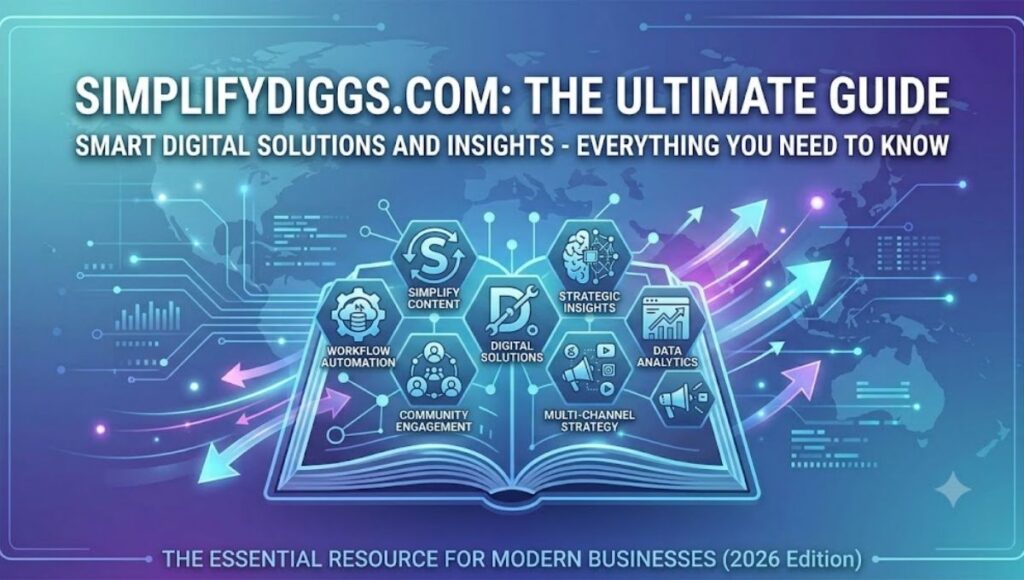
You’ve probably landed here because you typed “simplifydiggs com” into a search bar, wondering what exactly it is and whether it’s worth your time. Fair question. The internet is crowded with sites that promise to make technology “simple,” and most of them just add another layer of noise. So let’s cut through it and look at what SimplifyDiggs.com actually claims to offer, how that fits into the wider world of digital literacy content, and how you can use a platform like this without wasting your time.
Table of Contents
What Is SimplifyDiggs.com?
At its core, SimplifyDiggs.com positions itself as a digital content platform built around one idea: technology shouldn’t require a computer science degree to understand. The site publishes articles that touch on productivity tools, software choices, artificial intelligence, cloud computing, and general online skills, aimed at readers who want practical answers rather than a lecture.
Here’s the honest part, though. Public information about who runs the site, when it launched, and how large its team is stays pretty thin. That’s common for newer content platforms in this space, and it’s worth knowing going in. What you can evaluate is the content itself, and that’s what actually matters when you’re deciding whether a site deserves a spot in your bookmarks.
How SimplifyDiggs.com Helps Readers Navigate the Digital World
Breaking Down Complex Digital Concepts
Technology writing has a bad habit of assuming you already know the jargon. A good digital solutions guide does the opposite. It takes a concept like “cloud storage” or “API integration” and explains it the way you’d explain it to a friend over coffee, not the way a textbook would.
Delivering Actionable Solutions Instead of Theory
Nobody opens a browser tab hoping for an abstract lecture on innovation. They want a next step. The best content in this genre answers a specific question: what do I actually do now? Whether that’s picking a password manager or setting up a workflow automation, the value comes from the action, not the theory.
Making Technology Easier for Beginners
Beginners don’t need less information; they need better-organized information. Short paragraphs, clear headings, and a logical flow from “what is this” to “how do I use it” make a huge difference for someone who’s intimidated by a new tool.
Supporting Everyday Digital Decisions
Most people aren’t choosing enterprise software. They’re deciding which note-taking app to use, whether a browser extension is safe, or how to back up their phone. That everyday decision-making is where a simplified digital resource earns its keep.
Main Content Categories You’ll Typically Find
A site built around simplifydiggs com-style content tends to organize itself into a handful of recurring categories:
- Productivity and workflow tools
- Software comparisons and recommendations
- Artificial intelligence explainers
- Cybersecurity basics
- Cloud computing and storage
- Remote work and digital collaboration
Smart Digital Solutions Readers Can Learn
Improving Productivity With Digital Tools
The right tool doesn’t fix a broken process, but it does remove friction. Task managers, calendar automation, and note-taking apps that sync across devices save you the fifteen minutes a day you spend hunting for information you already wrote down somewhere.
Choosing the Right Software
More options isn’t the same as more clarity. A useful comparison walks through cost, learning curve, and whether a tool actually integrates with what you already use, instead of just listing features nobody asked about.
Managing Online Workflows Efficiently
Workflow management is really about reducing the number of places information lives. If your tasks, files, and communication sit in five different apps, you’re the one doing the integrating manually, which defeats the point of using digital tools at all.
Solving Common Technology Problems
Slow devices, forgotten passwords, and confusing settings menus account for most of the frustration people feel with tech. A guide that walks through these fixes step by step does more real-world good than one covering theoretical edge cases.
Saving Time Through Automation
Automation tools like Zapier, Make, or built-in app scripting exist specifically to handle repetitive tasks so you don’t have to. Setting up even a basic automation, like auto-sorting emails into folders, can save hours over a month.
Why Practical Digital Insights Matter More Than Ever
Technology moves fast. According to Statista, global internet users passed 5.5 billion people in 2024, and the pace of tool adoption keeps climbing. That growth means more people need plain-language guidance, not less.
Benefits Include:
| Benefit | Why It Matters |
|---|---|
| Faster decision-making | Clear comparisons cut research time |
| Reduced tech frustration | Step-by-step fixes lower the learning curve |
| Better security habits | Plain-language advice sticks better than jargon |
| Time savings | Automation and workflow tips compound over weeks |
Key Features That Make a Digital Solutions Platform Valuable
Easy-to-Understand Language
Jargon-free writing isn’t dumbing things down. It’s respecting the reader’s time.
Step-by-Step Guides
A guide that says “connect your accounts” without showing where to click isn’t a guide. It’s a suggestion.
Real-World Examples
Take password managers. Explaining that they “improve security” is vague. Explaining that a manager generates a unique 20-character password for every site, so a breach on one account doesn’t compromise the rest, is a real-world example that sticks.
Beginner-Friendly Explanations
Assume nothing. Define the term the first time it shows up, then move on.
Regularly Updated Content
Tech advice has a shelf life. A guide about “the best AI writing tools” written in 2022 is already outdated in 2026, since the tools, pricing, and capabilities shift constantly.
How This Kind of Platform Supports Different Readers
- Students — need study tools, citation managers, and cost-effective software.
- Business owners — need workflow and CRM guidance without an IT department.
- Freelancers — need invoicing, time-tracking, and client-management tools.
- Digital marketers — need SEO, analytics, and content-scheduling insight.
- Remote workers — need collaboration tools and secure remote-access habits.
- Everyday internet users — need basic digital literacy and security awareness.
A Quick Case Study: The Cost of Ignoring Digital Literacy
Consider a small retail business that keeps its inventory in a spreadsheet emailed back and forth between three employees. One version conflict, and the whole team is working off outdated numbers. Switching to a shared cloud-based inventory tool, something a good digital solutions guide would recommend and explain in plain terms, eliminates that entire failure point. It’s not a dramatic fix. It’s just removing one obvious point of friction, and that’s usually where the biggest wins hide.
Digital Trends Covered by Modern Knowledge Platforms
- Artificial intelligence — from chatbots to AI-assisted writing and coding
- Cloud computing — storage, backup, and collaboration without local servers
- Automation — reducing repetitive manual tasks
- Data privacy — protecting personal information as breaches increase
- Remote work technologies — video conferencing, async collaboration, VPNs
- No-code and low-code platforms — building apps and workflows without programming
- Mobile-first experiences — designing for phones before desktops
As one common saying in the software world goes: “The best interface is the one you don’t have to think about.” That’s the underlying goal behind most of these trends, whether it’s AI, automation, or no-code tools. They all try to remove friction between you and the outcome you actually want.
Tips for Getting the Most Value From a Digital Solutions Site
- Bookmark categories relevant to your work, not the whole homepage.
- Cross-check any software recommendation against the vendor’s current pricing page, since prices change often.
- Test one tool at a time instead of overhauling your entire workflow at once.
- Read the “how it works” section before the “why it’s great” section.
Common Mistakes Readers Should Avoid
Relying on Outdated Advice
A tool review from two years ago might describe features that no longer exist or pricing that’s since doubled. Always check the publish date.
Ignoring Online Security
Convenience without security is a trap. Two-factor authentication takes thirty seconds to set up and blocks the vast majority of automated account takeover attempts.
Using Too Many Productivity Tools
Five overlapping apps for the same task create more overhead than they save. Pick one, learn it well, and move on.
Following Every Trend
Not every AI tool or automation platform fits your actual workflow. Adopt what solves a real problem you have, not what’s trending this week.
Is a Platform Like SimplifyDiggs.com Worth Reading?
If you want a quick, plain-language starting point before diving into more technical or vendor-specific resources, this kind of site can be genuinely useful. Just treat it the way you’d treat any single source: as a starting point for research, not the final word. Cross-reference specific claims, especially software pricing or security recommendations, against the official source before acting on them.
Frequently Asked Questions
What is SimplifyDiggs.com?
It’s a content platform that publishes plain-language articles on technology, productivity, and digital tools.
Is SimplifyDiggs.com free to use?
Content on sites like this is typically free to read, since they operate on an ad or affiliate-supported model rather than a subscription.
What topics does SimplifyDiggs.com cover?
Productivity tools, software comparisons, AI, cybersecurity basics, cloud computing, and remote work technology.
Who should use SimplifyDiggs.com?
Anyone who wants clear, jargon-free explanations of digital tools and trends, including students, business owners, freelancers, and everyday internet users.
How does it simplify complex technology topics?
By using plain language, short paragraphs, and real-world examples instead of technical jargon.
Does the platform publish beginner-friendly guides?
Yes, that’s the stated focus of this type of content, walking readers from “what is this” to “how do I use it.”
Can business owners benefit from this kind of platform?
Yes, particularly for workflow, software selection, and basic digital marketing guidance.
How often is new content published?
This varies by platform, so check the site’s most recent post dates directly rather than assuming a fixed schedule.
Why is digital literacy important today?
Because nearly every job, purchase, and personal task now touches some digital tool, and understanding the basics reduces both wasted time and security risk.
What digital skills should beginners learn first?
Password management, basic cloud storage, and recognizing phishing attempts top the list.
How can readers stay updated with digital trends?
Follow a mix of sources, cross-check dates, and prioritize sites that update content regularly instead of relying on one static article.
Is this kind of platform a reliable source for digital insights?
Treat it as a helpful starting point, and verify specific claims (pricing, security features, technical specs) against the original vendor or an authoritative source before making a decision.
Conclusion
Digital literacy isn’t optional anymore. It’s the baseline skill for managing a job, a small business, or just your own inbox without losing your mind. A platform like SimplifyDiggs.com fits into that need by translating technical topics into plain language and practical steps. Use it as a starting point, verify the specifics that matter to your decision, and you’ll get real value out of it without falling into the trap of treating any single site as the final authority.