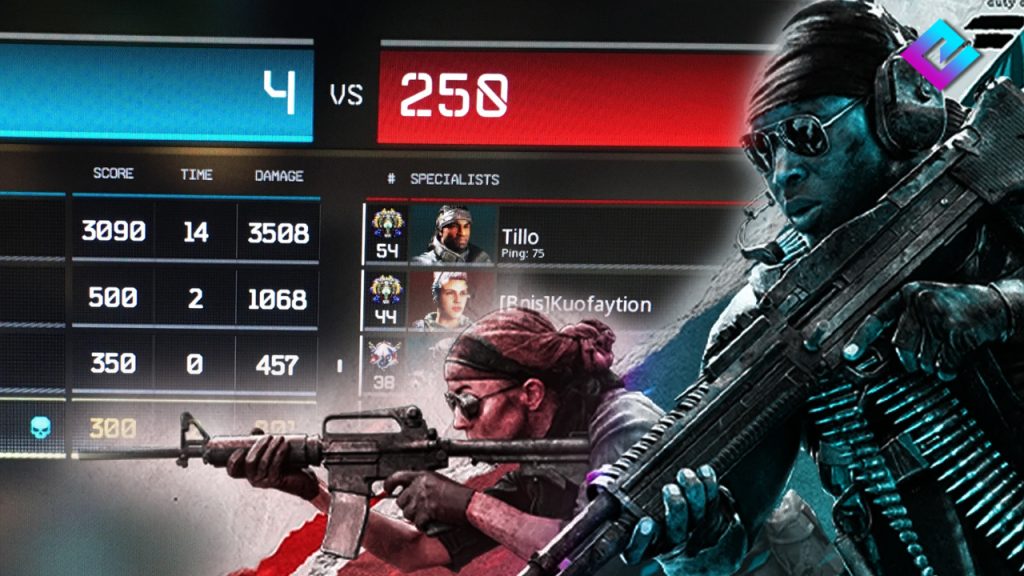
Every time you press “Find Match,” a complex system decides who will be on your team and who you will face. Sometimes you dominate; other times you feel completely outmatched. Behind these experiences is skill-based matchmaking, a system designed to create fair and competitive games. It is also one of the most debated topics in online slot gacor . This article explains how skill-based matchmaking works, why developers use it, and how it affects your experience.
Table of Contents
What Is Skill-Based Matchmaking?
Skill-based matchmaking, often shortened to SBMM, is a system that groups players with similar skill levels in the same matches. Instead of pairing players randomly, the game estimates each player’s ability and tries to create balanced teams. The goal is to make matches competitive, so each side has a reasonable chance to win.
How Games Measure Skill
Games track skill using a hidden number often called MMR (matchmaking rating) or a similar internal score. This rating rises when you win and falls when you lose. Many systems are based on mathematical rating models originally developed for chess, which adjust ratings based on the expected outcome. Beating a stronger opponent raises your rating more than beating a weaker one.
Modern games may consider additional factors, such as:
- Win and loss record.
- Individual performance, such as eliminations, objectives, or damage.
- Consistency over recent matches.
- Role or character played.
- Party size, since coordinated groups often perform better than solo players.
Developers rarely reveal exact formulas, partly to prevent players from exploiting them.
MMR vs Visible Rank
Many games display a visible rank, such as bronze, silver, gold, or diamond. This rank is not always identical to your hidden MMR. Visible ranks are designed to show progress and motivate players, while MMR is used for matchmaking. This explains why you might face higher-ranked opponents: your hidden rating may be higher than your displayed rank suggests, and the system is moving you upward.
Other Factors in Matchmaking
Skill is not the only consideration. Matchmaking systems balance several priorities:
- Connection quality: Matching players to nearby servers keeps ping low.
- Queue time: Waiting too long for a perfect match frustrates players, so systems loosen skill requirements as time passes.
- Party balance: Groups of friends may be matched against other groups.
- Platform and input: Some games separate controller and mouse-and-keyboard players.
At busy times, matches are usually closer in skill. Late at night or in smaller regions, the system may widen its search, creating more uneven matches.
Benefits of Skill-Based Matchmaking
- Fairer matches: Players face opponents of similar ability, making games competitive.
- Better for beginners: New players are protected from constantly facing experts, which reduces frustration and helps retention.
- Steady challenge: As you improve, opponents improve too, encouraging growth.
- Meaningful wins: Victories feel earned when the teams are balanced.
Common Criticisms
Despite its benefits, SBMM has critics, especially in casual modes:
- Every match feels sweaty: Skilled players say they must try hard in every game and cannot relax.
- Inconsistent results: Some players feel they swing between easy and difficult matches.
- Longer queues: Highly skilled players may wait longer for matches.
- Friends of different skill levels: Playing with a much better or weaker friend can create unbalanced experiences.
Some developers respond by using stricter SBMM in ranked modes and looser matchmaking in casual playlists.
Myths About Matchmaking
“The game forces me to lose.”
Matchmaking aims for balanced slot88 , which naturally leads to a win rate around 50 percent over time. Losing streaks usually happen because of randomness, team composition, or tilt rather than deliberate punishment.
“My teammates are always worse than me.”
This is a common perception bias. We notice teammates’ mistakes more than our own and more than those of opponents.
“Creating a new account is always easier.”
New accounts often start with uncertain ratings that adjust quickly. Many games treat smurfing, playing on a secondary account to face weaker players, as unfair and may penalize it.
How to Climb Within an SBMM System
- Focus on improvement, not rank: As skill grows, your rating will follow.
- Review your matches: Identify repeated mistakes.
- Play with a consistent team: Coordination often matters more than individual skill.
- Manage tilt: Take breaks after several losses to avoid poor decisions.
- Master a few characters or roles: Depth beats spreading yourself thin.
- Communicate: Share information and encourage teammates.
Frequently Asked Questions
Do casual modes use skill-based matchmaking?
Many do, though often with looser settings than ranked modes. Policies vary by game.
What is a good win rate?
In a well-balanced system, most players hover around 50 percent. A consistently higher rate usually means you are climbing.
Why am I matched with higher-ranked players?
Your hidden MMR may be higher than your visible rank, or the system widened the search to reduce queue time.
Conclusion
Skill-based matchmaking is designed to keep online games fair, challenging, and welcoming for players at every level. Understanding how MMR, queue times, and connection quality interact helps explain why matches feel the way they do. Focus on improving your skills, and the system will reward your progress over time.