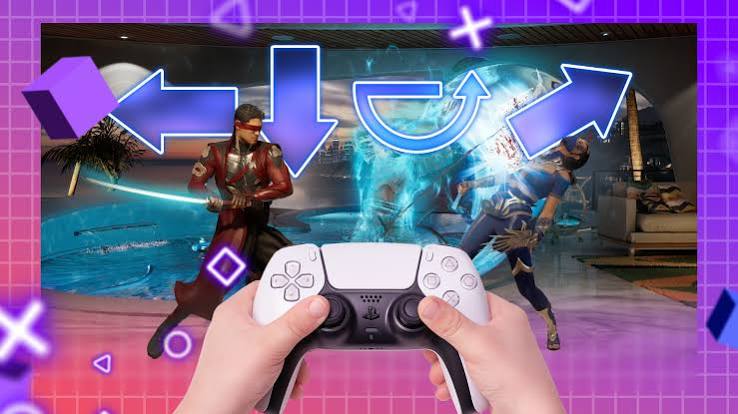
Button mashing works. At first. You pick a flashy character, slap every button, and somehow win a few matches against friends. Then you go online, meet someone who blocks everything and punishes every wild attack, and lose twenty in a row. Welcome to the wall every fighting slot player hits.
The good news? Fighting games for newcomers become far more fun once you swap mashing for a few deliberate habits. You don’t need encyclopaedic knowledge. You need a plan, a single character and a bit of patience with yourself.
Table of Contents
Why Mashing Works Until It Doesn’t
Mashing works against other mashers because both players are guessing. Random attacks occasionally land, and flashy animations make it feel like you’re doing something.
Against anyone with basic knowledge, though, mashing falls apart:
- Experienced players block and wait for you to make an unsafe move.
- Many big attacks leave you open to punishment if they’re blocked.
- Random inputs mean you can’t react to what your opponent actually does.
The shift from mashing to playing is really a shift from acting randomly to acting with intent. Every button press should have a reason, even a simple one.
Learn One Character First
New players often bounce between characters, trying everyone in the roster. It’s fun, but it slows improvement dramatically.
Pick one character and commit for a few weeks. Look for someone with:
- Straightforward special move inputs.
- A few reliable normal attacks with good range.
- A design or style you genuinely enjoy, because you’ll be spending a lot of time together.
Learn three or four key moves really well rather than every move a little. A small, reliable toolkit beats a huge list of moves you can’t perform under pressure.
When I finally stuck with one character, I stopped feeling lost in matches. I knew my options, so I could actually think about what my opponent was doing.
Training Mode Habits That Stick
Training mode is where real improvement happens, but it’s easy to waste time there. Try short, focused sessions:
- Warm up with special move inputs on both sides of the screen for a few minutes.
- Practise one simple combo until you can do it consistently, not once in a while.
- Set the training dummy to block and see which of your moves are safe and which get punished.
- Record the dummy doing a common attack and practise blocking or punishing it.
Ten or fifteen focused minutes beat an hour of unfocused combo practice. Many fighting games also include tutorials or character trials. They’re worth completing, even if they feel basic.
You’ll hear about “frame data” in the community. In plain terms, it’s information about how fast moves are and how safe they are when blocked. You don’t need to memorise it early, but knowing which of your moves are risky is a great first step.
Defence Matters More Than Combos
Here’s a secret many newcomers miss: better defence wins more matches than fancy combos. Every time you block correctly and punish a mistake, you swing the match more than a flashy combo that only lands occasionally.
Learn to Block Properly
Understand the difference between standing and crouching block, and which attacks hit high or low. Getting this right removes a huge amount of free damage.
Stop Pressing Buttons on Defence
When your opponent attacks, the urge to mash back is strong. Often the best move is to keep blocking until there’s a clear gap.
Spacing and Footsies
Footsies refers to the push-and-pull of staying just outside your opponent’s range while poking with your own long-range attacks. It’s the quiet, strategic heart of many fighting games, and it’s far more effective than charging in.
Handling Online Losses
Losing is part of every fighting game journey, and online losses can feel personal because it’s one-on-one. A few mindset tricks help:
- Set small goals per session, like “block more low attacks” rather than “win every match.”
- Watch your replays to see where you took the most damage.
- Play casual modes first before ranked if you’re nervous.
- Take breaks after losing streaks. Frustrated players start mashing again.
- Rematch strong players when you can. A long set teaches more than a single match.
One more tip that shapes fighting games for newcomers: play people near your level whenever possible. Fighting slot communities are often surprisingly welcoming too. Local meetups and online groups frequently run beginner nights, and many experienced players love helping newcomers improve.
FAQ
Are fighting games hard for beginners?
They have a learning curve, but focusing on one character, basic defence and simple combos makes them very approachable.
Do I need to learn long combos to win?
No. Short, reliable combos and solid defence win far more beginner and intermediate matches than long, difficult combos.
Should I use an arcade stick or controller?
Use whatever feels comfortable. Many strong players use regular controllers. Choose based on comfort, not what pros use.
Fighting games for newcomers stop feeling chaotic the moment you start playing with intent. Pick one character, learn to block, practise a simple combo and accept that losses are lessons. Before long, you’ll be the one calmly blocking while someone else mashes in panic.