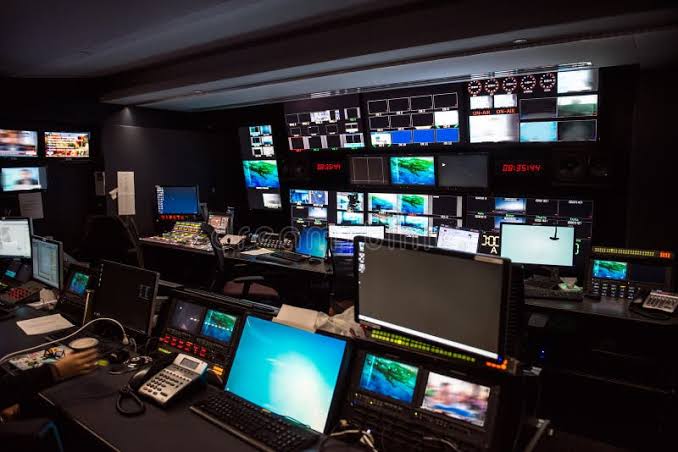
The same spinning wheel entertains a commuter on a five-inch phone, a couple on a living-room television, and a tablet propped against a kitchen kettle, and each context demands a genuinely different product wearing the same brand. Multi-screen design has become live entertainment’s quiet specialty, and users who install a crazy time casino app experience its results without noticing the machinery. One broadcast, many ergonomics: the discipline deserves examination.
Table of Contents
The Context Behind Each Screen
Analytics distinguish the audiences sharply. Phone sessions run short, one-handed, and interruption-prone, dominated by active bettors squeezing rounds into gaps. Television sessions run long, lean-back, and often social, skewing toward spectators treating the show as ambient entertainment with occasional participation via a paired phone. Tablets split the difference, favored for evening marathon viewing. Design cannot average these contexts, since an interface optimized for the mean serves nobody; it must branch.
Branching Without Fragmenting
The craft lies in divergence that still feels like one product.
The Shared Spine
Every version keeps an identical core, the same video truth, the same betting windows, the same result timing, because money synchronization permits no per-device drift. Divergence lives in the presentation shell: phones stack video above thumb-zone controls, televisions expand the stream to cinematic framing with betting delegated to companion devices, tablets run hybrid layouts with side-panel stats. Teams describe the architecture as one heart, three bodies, and regulatory auditors verify the heart beats identically in each.
The Living-Room Frontier
Big-screen play surfaced problems phones never posed:
- Ten-foot legibility requiring rebuilt typography and iconography
- Remote-control betting proving hopeless, driving phone-pairing flows
- Shared viewing raising privacy questions around balance display
- Casting protocols needing frame-accurate sync with the bet clock
The pairing solution, television as theater, phone as wallet, resolved most tensions elegantly and accidentally recreated the social structure of a real casino table: shared spectacle, private stakes.
Input Grammar Across Devices
Touch, remote, and mouse each carry distinct precision and speed, so timing-critical actions adapt per platform. Phone bet grids enlarge targets near round deadlines, TV interfaces pre-stage repeat bets behind single-button confirmation, and desktop retains hover states others cannot express. The betting window, constant in duration everywhere, thus feels equally comfortable everywhere, which is the entire measure of success: identical fairness, native ergonomics.
Where the Screens Multiply Next
Car displays in passenger contexts, wearables for result notifications, and glasses-based viewing all sit in prototype stages across the industry, each promising a new body for the same heart. The multi-screen discipline built for phones and televisions generalizes into a durable principle: broadcasts are no longer made for a screen but for a person moving among screens. The show follows; the wheel, wherever rendered, spins once for everyone.